

13 Jan 2025
Year 7, 8, and 9 Academic Scholars' Session Exploring Marine Conservation
An interactive session exploring marine conservation.
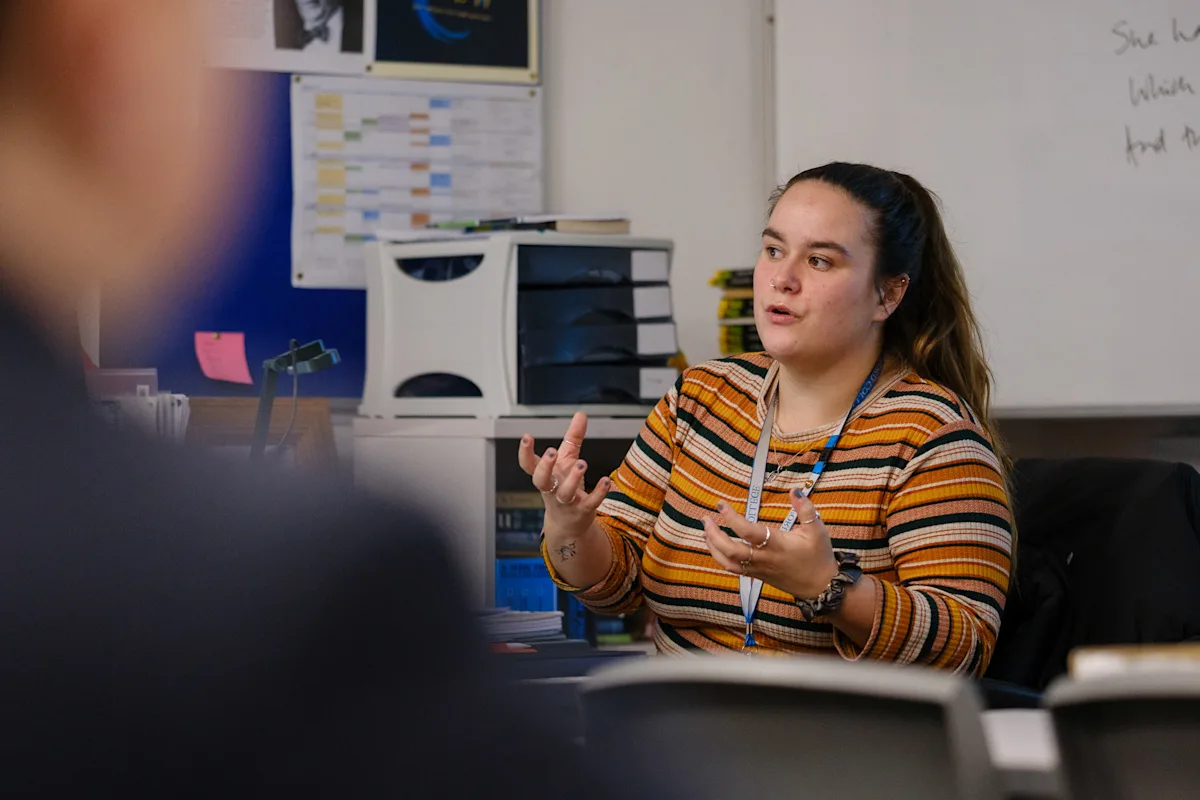
Mila Attrill, Biology teacher, hosted a Year 7, 8, and 9 Academic Scholars' Session, where she shared her incredible experiences and knowledge in marine conservation. With a background that includes working in Belize collecting data on Marine Protected Areas (MPAs) and diving to conserve coral reefs, Mila brought the underwater world to life in a truly inspiring way.
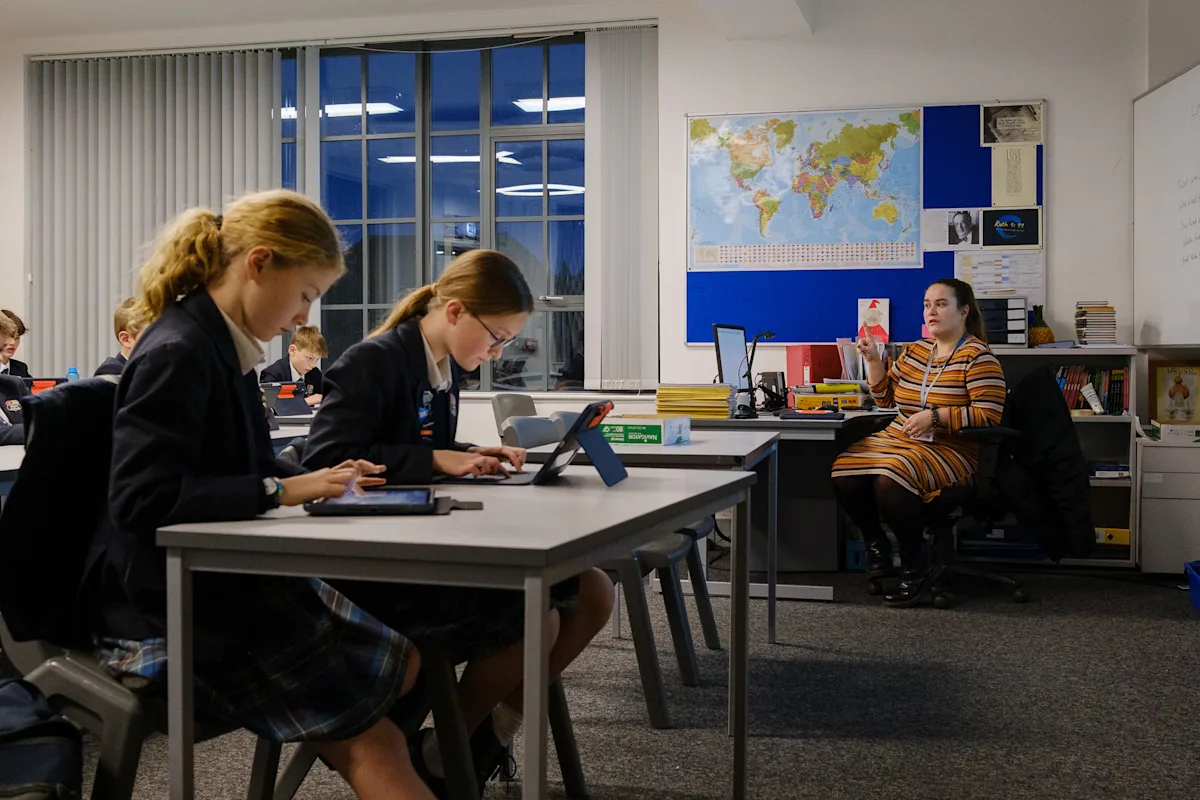
Mila began by explaining the essence of marine conservation—mitigating human activities such as overfishing and pollution to protect our oceans. The key principles include:
- Protection: Safeguarding marine species and habitats.
- Non-Interference: Allowing ecosystems to thrive naturally.
- Biodiversity: Ensuring a wide variety of species can coexist and sustain the environment.
She then went on to explain why marine conservation is important. Oceans play a crucial role in maintaining our planet's health:
- Biodiversity Protection: Oceans house an incredible variety of life, which must be preserved.
- Climate Regulation: Oceans absorb 30% of the world’s CO₂, but as temperatures rise, they’re becoming more acidic, endangering marine ecosystems.
- Water Pollution: Contaminants threaten marine life and habitats.
- Scientific Research: For example, studying coral species in Egypt that resist bleaching may unlock ways to protect others.

Through a fascinating comparison of photos, students explored the impact of coral bleaching. Healthy reefs, vibrant with life, are starkly contrasted with bleached ones—barren and lifeless.
What causes coral bleaching?
- Coral has a symbiotic relationship with photosynthetic algae called zooxanthellae.
- Rising ocean temperatures and acidity cause coral to expel these algae, leaving them vulnerable to disease and unable to recover.
This devastating process not only impacts coral but disrupts entire ecosystems dependent on reefs for survival.
Mila discussed the challenges of overfishing and invasive species. Overfishing, driven by rising consumption and illegal practices, depletes fish populations and destabilizes marine ecosystems.

She gave an example of a non-native invasive species. Lionfish, with no natural predators in certain areas, wreak havoc on local food chains. Students debated the ethics of hunting lionfish, a practice that some marine scientists encourage to restore balance.
Mila spoke about hope for the future, marine scientists are working tirelessly to protect and restore our oceans:
- Restoring Coral Reefs: Introducing juvenile species and rebuilding reefs damaged by events like earthquakes.
- MPAs (Marine Protected Areas): Establishing zones where marine life is protected from human activity.
In her conclusion to the talk Mila emphasised that everyone can contribute to marine conservation:
- Pick up litter—10 pieces at the beach can make a big difference!
- Get involved with organizations like the Marine Conservation Society or the Sea Trust.
- Explore internships and volunteering opportunities with groups like GVI.
Mila’s session reminded us of the beauty and fragility of our oceans and inspired our Academic Scholars to take action. Whether it’s studying biology, volunteering for marine projects, or simply making eco-conscious choices, she said that we all have a role in protecting our planet’s blue heart.
For more information on our Academic Scholarships please head to