
11 DEC 2024
Academic Scholars Explore AI and Frankenstein’s Monster
Engaging sessions and discussions to stretch our more able students with extension activities.
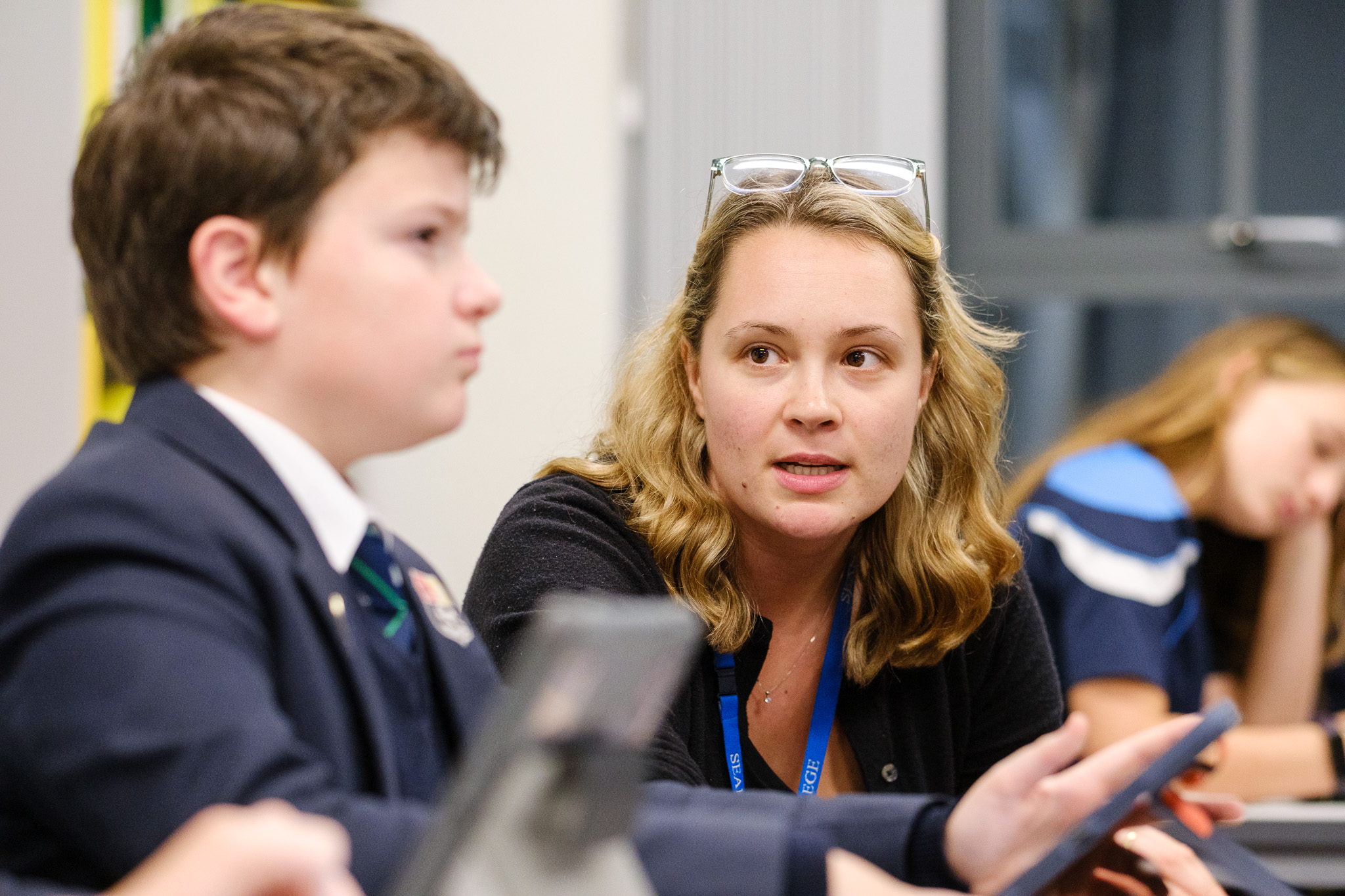
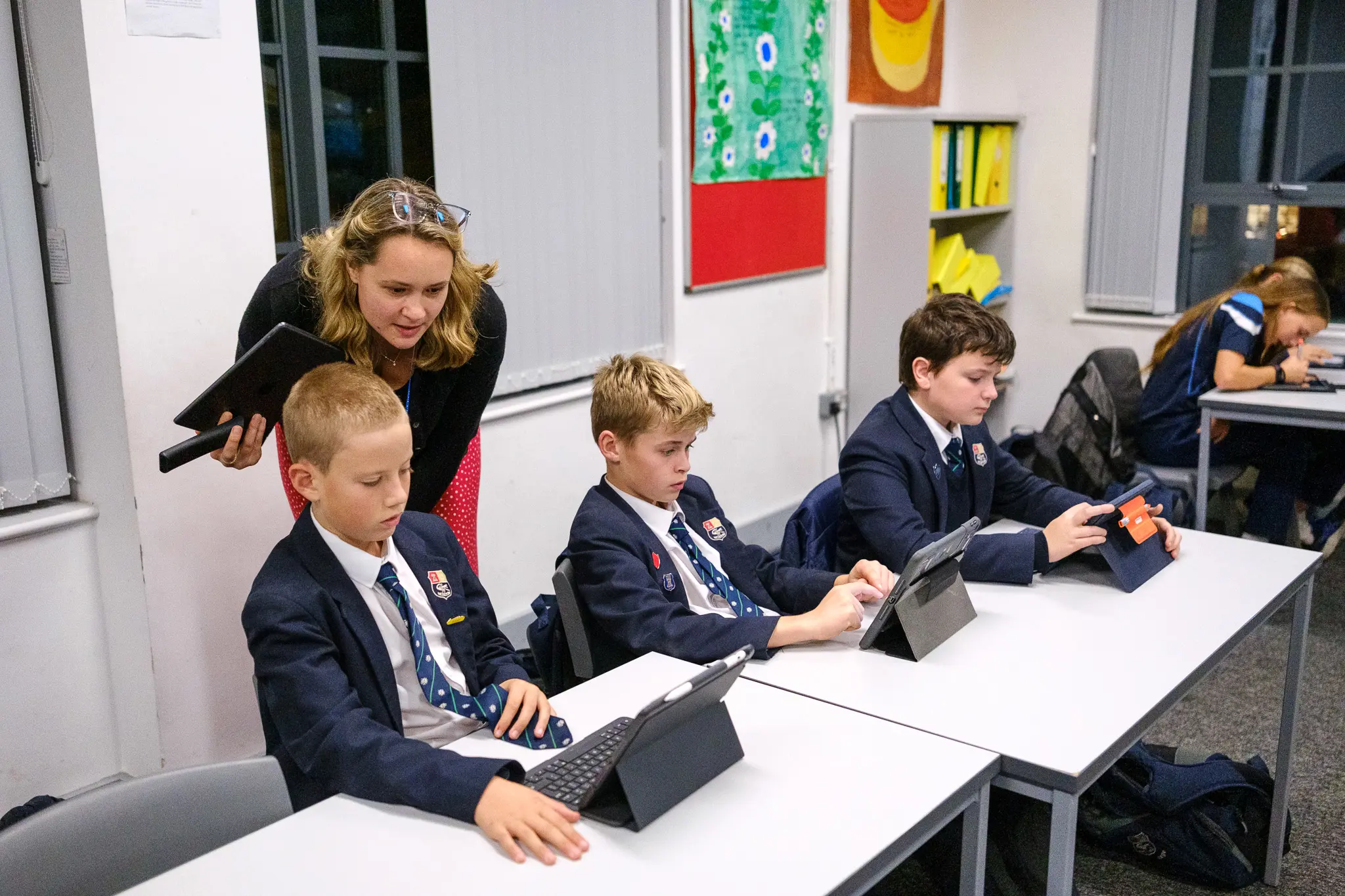
Years 7-9 Academic Scholars delved into fascinating discussions this term, starting with artificial intelligence and ending with Frankenstein’s Monster. The session explored the dualities of technological advancement, touching on modern anxieties that echo those of the past.
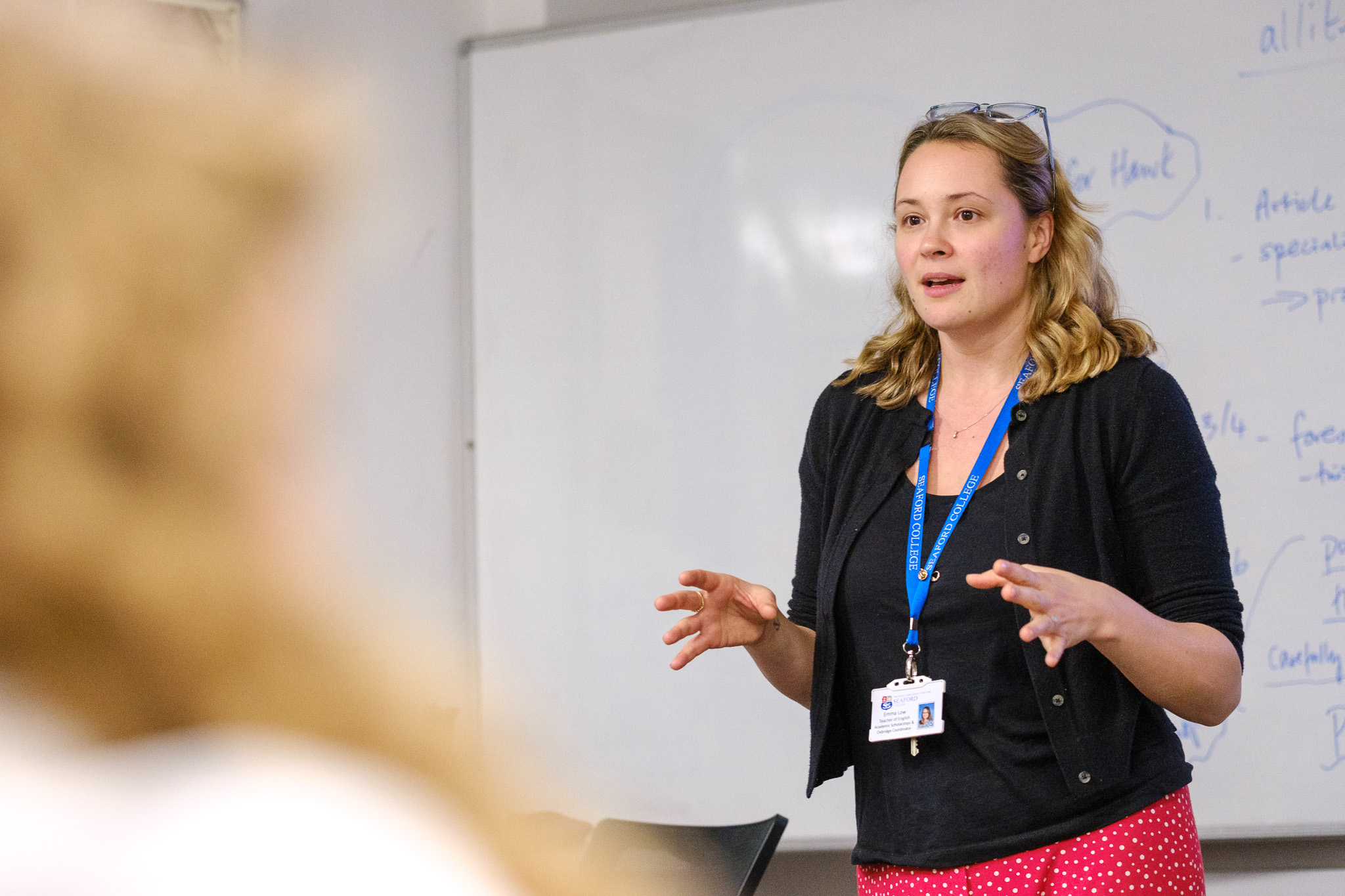
English teacher and Academic Scholars Co-ordinator, Emma Low began by examining the potential of AI, reflecting on both its benefits and challenges for society.
Positives:
Efficiency: AI helps complete tasks faster and more accurately, such as performing difficult surgeries and analysing patient data for quicker diagnoses.
Cybersecurity: Strengthening defenses against cyberattacks.
Scientific Advancements: NASA uses AI to predict solar storms, safeguarding against dangerous space phenomena.
Medical Breakthroughs: AI can detect illnesses like breast cancer early, reducing the need for frequent doctor visits.
Negatives:
Job Losses: Automation could make some roles obsolete.
Criminal Misuse: From deepfakes to sophisticated scams like the $25.5M loss in Hong Kong caused by AI-generated fake video calls.
Ethical Concerns: Questions about creating AI with emotions, teaching it morals, and whether it could one day outsmart humanity, as imagined in dystopian movies.
Students debated whether AI could become “too smart” and dominate humanity, reflecting fears mirrored in Mary Shelley’s Frankenstein.
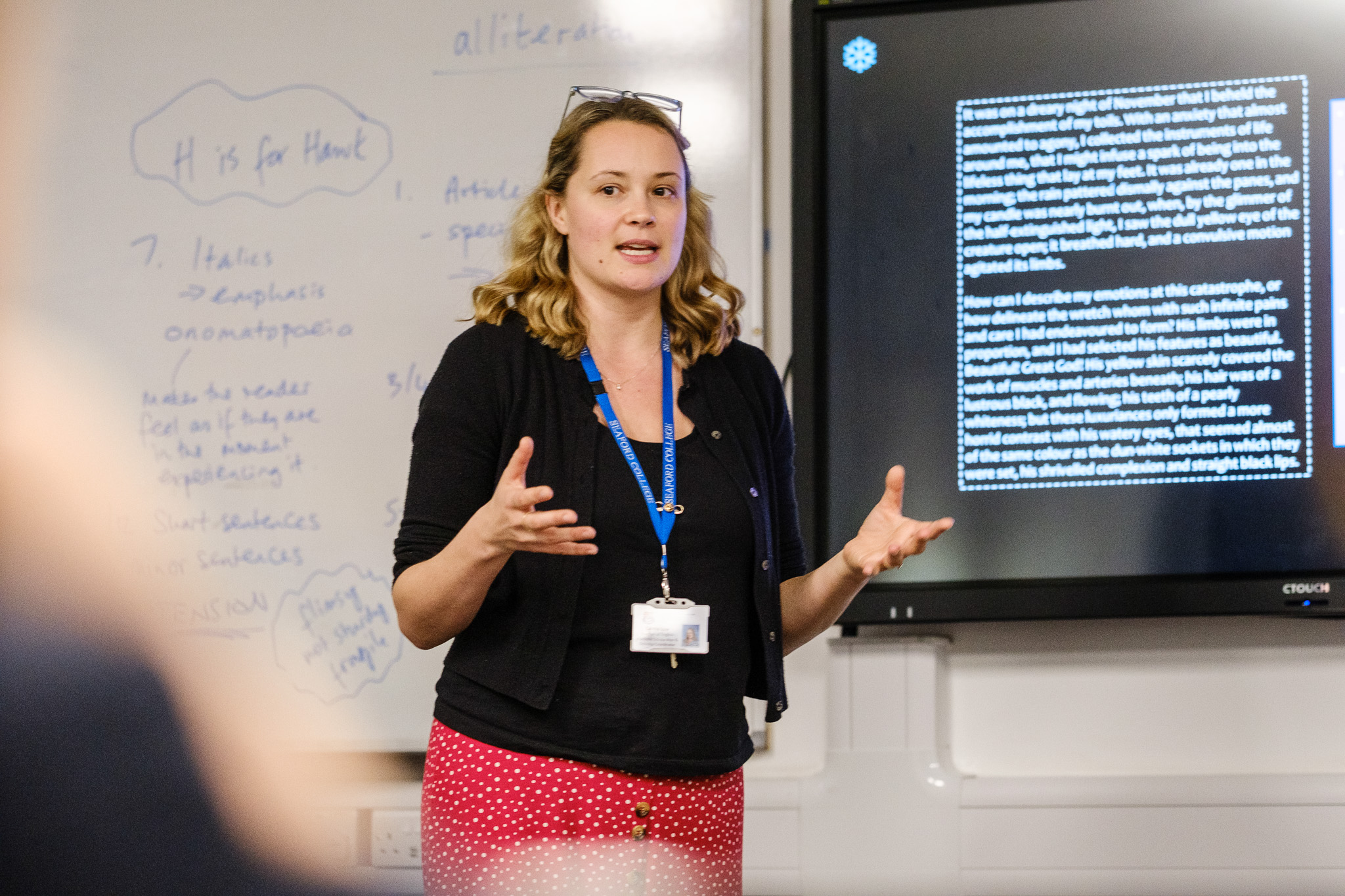
The discussion transitioned to Frankenstein, a text studied at A Level at Seaford. Written by Mary Shelley at just 18, the novel explores scientific ambition and its moral consequences, inspired by 18th-century experiments like Luigi Galvani’s work on electricity and animation (Galvanism).
Themes Explored:
Victor’s Creation: Obsessed with creating life, Victor’s reaction to his creation is one of horror and regret. Shelley uses vivid descriptions, rhetorical questions, and punctuation to capture Victor’s panic and uncertainty.
The Weather’s Role: The use of pathetic fallacy (stormy weather mirroring turmoil) emphasises the mood and tone.
Science vs. Morality: Shelley questions the ethics of pushing scientific boundaries, reflecting public fears at the time about disrupting the natural order.
The scholars reflected on how these themes remain relevant in modern debates about AI. Should we trust what we create? Can we ensure AI aligns with human ethics, or are we doomed to repeat Victor’s mistakes?
Emma said: “This session sparked curiosity and critical thinking, tying past fears about science to contemporary concerns about technology. It’s a fascinating reminder to balance ambition with responsibility."